
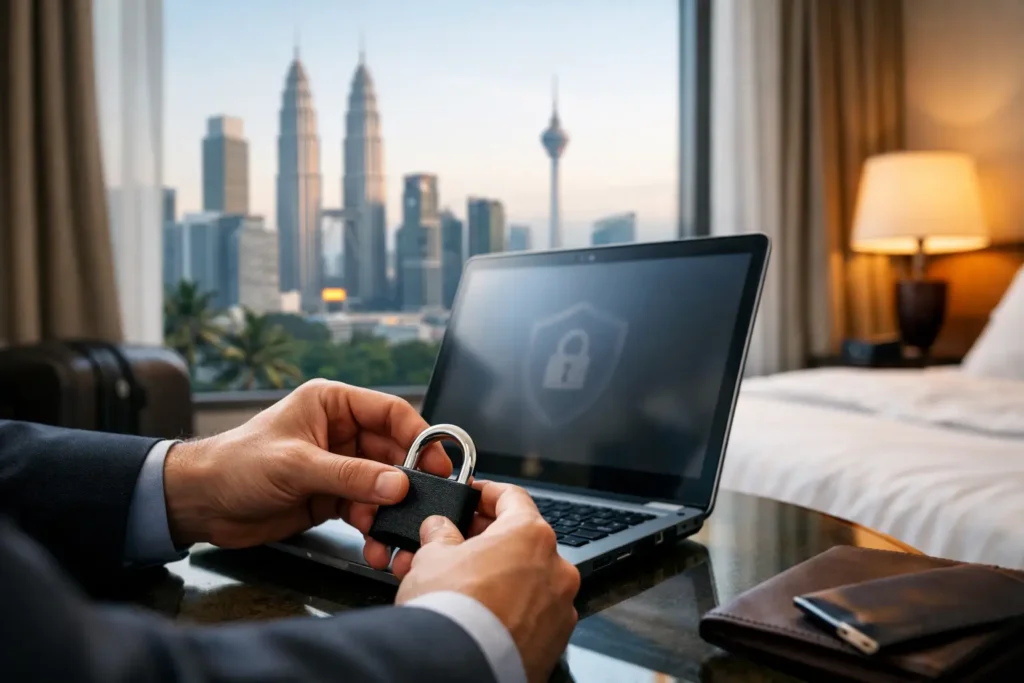
A private booking can become uncomfortable fast when someone shares too much, saves the wrong details, or uses an unsecured phone connection. Knowing how to protect booking privacy gives you more control from the first inquiry through the end of your arrangement. Whether you are in Kuala Lumpur for business, staying near KLIA, or arranging a discreet outcall in Bukit Bintang, Bangsar, Mont Kiara, or Petaling Jaya, privacy starts with the choices you make before you send a message.
This is not about acting suspicious. It is about keeping personal information limited, communication clear, and every adult arrangement respectful. The best private booking is straightforward: both parties know the agreed details, neither party is pressured to share unnecessary information, and no one creates avoidable digital records.
How to Protect Booking Privacy Before You Inquire
Start by deciding what information is actually necessary to make an inquiry. A provider may need your preferred time, general area, booking duration, and whether you are requesting incall or outcall. They do not need your employer, your travel itinerary, your family details, your social media accounts, or a photo of your ID unless there is a clear, legitimate reason for verification.
Use a contact method that you control. If you prefer to keep booking communication separate from work and family messages, use a dedicated email address or a private messaging account with a strong password. Make sure the account does not display your full name, office, public profile photo, or linked social accounts. Small profile settings can reveal far more than most people realize.
Keep the first message direct and limited. State the date, approximate time, area, and service format you want. Avoid sending a hotel room number, home address, or exact location before the booking has been confirmed and you are comfortable with the other party. For an outcall, a nearby landmark or hotel name is usually enough for early communication. Share the final access details only when necessary.
Do not overshare because you are trying to appear trustworthy. Clear communication builds confidence better than a long personal story. A serious adult booking discussion should focus on availability, expectations, boundaries, timing, and logistics.
Use Private Devices and Secure Connections
Your phone can expose booking details even when your messages are private. Lock your device with a passcode or biometric security, turn off message previews on the lock screen, and make sure automatic cloud backups are configured the way you want. A notification that displays a name, message, or location can create a privacy problem before you even open it.
Avoid using a work phone, shared tablet, family computer, or hotel business center for sensitive inquiries. Those devices may sync messages, save browser history, autofill personal data, or be monitored by someone else. A personal device on a trusted cellular connection is generally the cleaner option.
Public Wi-Fi deserves extra caution. Airport lounges, coffee shops, malls, and hotel networks can be convenient, but they are not the place to send highly personal information. If you must use hotel Wi-Fi, do not transmit unnecessary documents, financial details, or exact location information. Wait until you have a more secure connection or use your mobile data.
Browser habits matter too. Use private browsing if you do not want search and session data saved locally, but understand the trade-off: private mode does not make you invisible online. It mainly prevents your device from retaining the usual local history, cookies, and autofill records. Log out of accounts after use, review saved passwords, and do not allow a shared browser to remember booking-related information.
Keep Communication Discreet and Professional
Privacy works best when messages stay practical. Confirm the booking details in writing, but do not turn the chat into a personal archive. Stick to the essential points: date, time, general meeting point, duration, agreed rate, and any boundaries or preferences that need to be discussed beforehand.
Respectful communication protects both sides. Do not ask for private home details, legal names, personal photos outside the profile material, or information about other clients. In the same way, you should not feel pressured to disclose your workplace, permanent address, passport details, or relationship status. A legitimate booking conversation should not require either person to surrender their entire private life.
Be careful with screenshots and forwarded messages. They are easy to create and impossible to fully control after they leave your phone. Do not share someone else’s images, phone number, profile details, or location with friends. Discretion is not only about protecting yourself. It means protecting the privacy, reputation, and safety of the person you are meeting.
If a conversation becomes threatening, manipulative, or demanding, stop the discussion. Pressure for unnecessary personal information is a warning sign. So are requests to move money before basic details are clear, last-minute changes that feel unsafe, or threats to expose messages. Save only the information you need for your own safety, block the contact if appropriate, and do not let urgency override good judgment.
Be Smart About Payments and Records
Payment privacy depends on your personal situation and the local rules that apply. The safest approach is to use a lawful payment method you understand, confirm the total in advance, and avoid sending financial information through casual chat. Never send banking passwords, one-time security codes, card PINs, or photographs of payment cards.
Ask for clarity before you commit. Confirm what is included, whether a deposit is required, what happens if there is a cancellation, and when the remaining payment is expected. Surprises create conflict, and conflict creates more messages, more records, and more risk. Clear terms protect privacy because they reduce the need for back-and-forth after the fact.
Keep only the records you genuinely need. If you are traveling, you may want a simple note with the confirmed time and location for your own safety. You do not need to store extensive chat histories, screenshots, profile images, or private contact details indefinitely. Review what remains on your device after the arrangement and remove data you no longer need.
Protect Privacy at Hotels, Residences, and Outcall Locations
For travelers, the location is often the biggest privacy concern. Before arranging an outcall, understand the guest policy of your hotel or serviced residence. Some properties require visitor registration, restrict guest access, or have security procedures that affect how arrivals are handled. Do not assume every hotel in Kuala Lumpur operates the same way.
Choose a location where you can act normally and respectfully. Avoid sharing a room number until the visit is confirmed. Meet in a suitable public area first if that makes both parties more comfortable, then proceed only when everyone agrees. Do not ask anyone to bypass building security, misrepresent themselves to staff, or ignore venue rules.
If you are booking an incall, confirm the general area before you travel and use your own transportation plan. Tell a trusted person where you are going only if you feel it is necessary for your safety, but do not share another person’s exact private address without permission. Privacy and personal safety should work together, not compete.
Set Boundaries That Protect Everyone
The strongest privacy protection is a clear boundary. Both people should be adults, willing participants, and free to say no to anything outside the agreed arrangement. Consent is ongoing, and a booking does not remove anyone’s right to change their mind or end an interaction.
Do not record audio, video, or photos without explicit permission. This should be non-negotiable. Hidden recording devices, casual filming, and sharing content with others are serious violations of trust and can carry legal consequences. If photography is discussed at all, establish the rules clearly before anything happens.
A reputable directory such as KL Escort Call Girl may help users find location-based profile options, but the final responsibility for discreet behavior remains with both adults. Read profile details carefully, communicate directly, and walk away when expectations do not match. The fastest booking is not worth it if the conversation feels unsafe or unclear.
Privacy is built through ordinary discipline: share less, confirm more, protect your device, respect boundaries, and choose arrangements that do not force either person into unnecessary exposure. When those habits are in place, discretion stops being a promise and becomes part of how you book.